Rental Machineries
Rent construction machineries from us
Microtunnelling is indeed an advanced trenchless construction method that allows for the efficient and precise installation of pipelines or conduits beneath the ground, especially in challenging soil and geological conditions. Here’s a breakdown of the key components and processes involved:
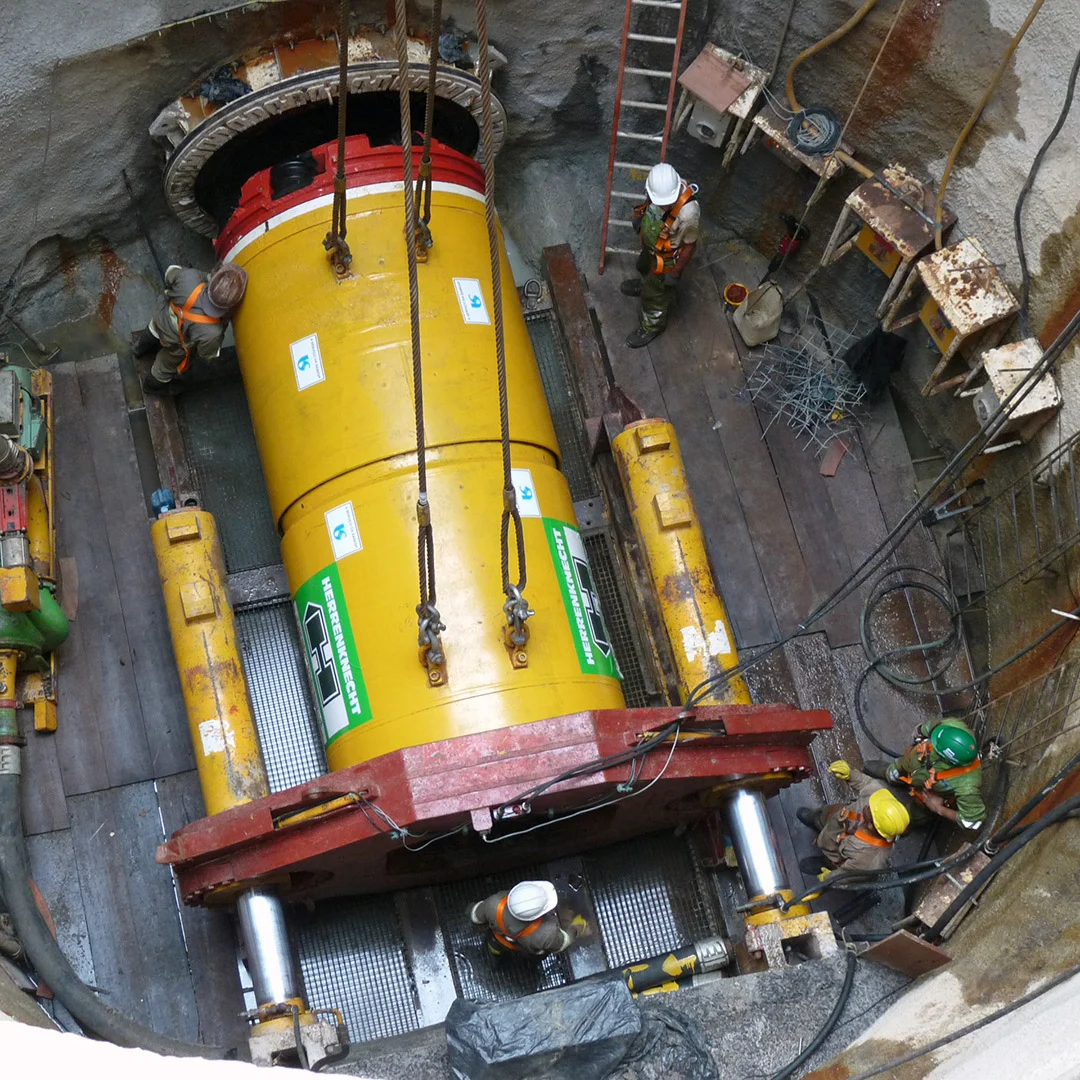
Hydraulic Jacks: Hydraulic jacks are used to push pipes or conduits through the ground. These pipes are typically installed behind a tunneling shield or closed slurry circuit machine.
Closed Slurry Circuit Machine: The closed slurry circuit machine is the primary equipment used for microtunnelling. It is equipped with a tunneling shield that surrounds the excavation area. The machine simultaneously excavates the soil and installs the pipeline within the shield, creating a watertight, finished pipeline as it progresses.
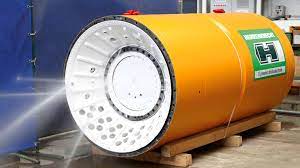
Cutterwheel: The machine features a cutterwheel (also known as a cutter head) that is specially adapted to the geological conditions encountered during tunneling. Different cutterwheels are used based on the soil or rock type. In soft soils and mixed geological conditions, standard or mixed ground cutterwheels are used. In stable rock formations, a cutterwheel with disc cutters is utilized.
Crushing Mechanism: Inside the excavation chamber of the machine, there is a cone-shaped crusher. This crusher is designed to break down stones and other obstructions encountered during the tunneling process into a size that can be easily conveyed. The crushed material falls through openings in front of a suction port.
Slurry Removal: As the excavation process takes place, a slurry suspension is generated. The material that has been crushed and the slurry suspension are removed from the excavation chamber through a slurry line. The slurry carries away the excavated material to the surface for disposal or treatment, and it can also help in stabilizing the tunnel face.
Microtunnelling is a versatile and effective method for installing pipelines, especially in challenging environments. It offers several advantages, including reduced disruption to the surface, precise alignment, and the ability to work in a wide range of geological conditions. This method is commonly used for sewer, water, and utility installations, as well as for projects that require the construction of tunnels for various purposes